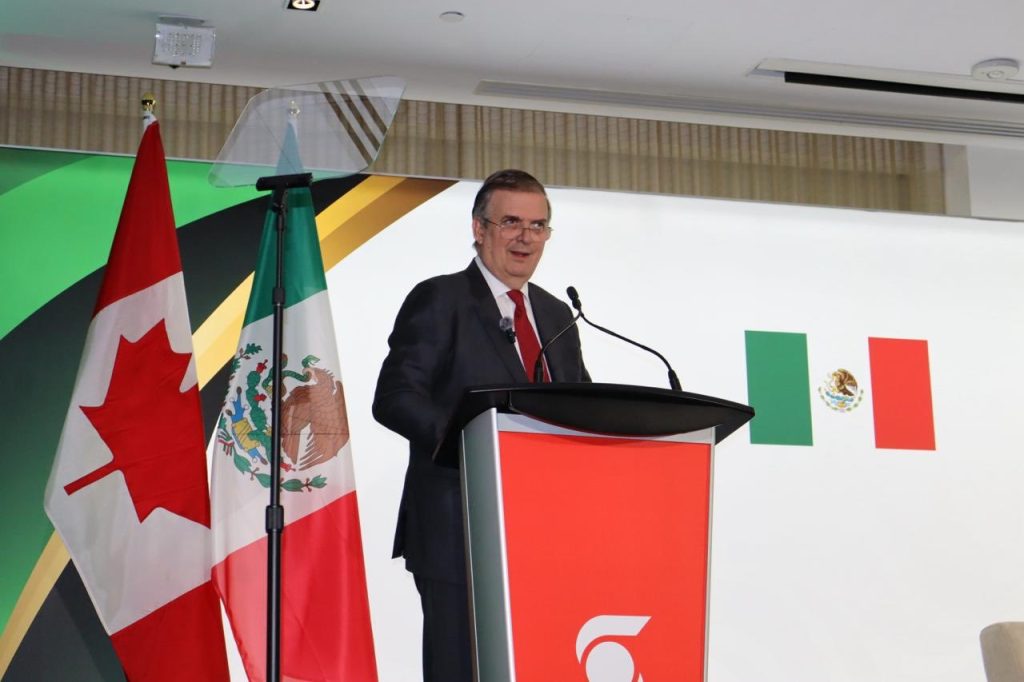



The Mexican government, led by President Claudia Sheinbaum, said on March 17 that it is open to hosting Iran’s matches at the upcoming 2026 World Cup if FIFA agrees to the proposal – despite the recent U.S. intervention in the country.
The U.S. is a co-host of this year’s emblematic football tournament alongside Mexico and Canada.
Earlier, Iran’s football federation urged FIFA to consider relocating its World Cup matches from the U.S., citing safety concerns after recent U.S. airstrikes ordered by the administration of President Donald Trump.
U.S. officials have not yet responded to the matter. However, they had stated security preparations are ongoing for hosting matches at MetLife Stadium in New Jersey, one of the venues for the 2026 World Cup.
President Trump commented on Iran’s participation, noting that it might not be appropriate for the team to play in the United States “for their own life and safety.”
Meanwhile, Iran has insisted that if the U.S. cannot guarantee the security of its national team, it will not travel to the country. FIFA has not confirmed any specifics.
Mehdi Tak, President of the Iranian Football Federation, said he is “negotiating with FIFA to hold Iran’s World Cup matches in Mexico,” in a post on the Iranian Embassy in Mexico’s X account.
As the decision ultimately rests with FIFA, rejecting Iran’s request to transfer its matches — a move that would pose a major logistical challenge — could risk the country’s participation. Despite this, FIFA said it is looking forward to all teams competing according to the schedule announced on December 6, 2025.
Meanwhile, Mexico is carrying out extensive security preparations for the World Cup matches it will host.
Mexico’s security preparations ahead of 2026 World Cup
As the 2026 World Cup approaches, the Mexican government reported enhancements to its security strategy, originally initiated and launched in 2024 under President Sheinbaum.
Plan Kukulkán was initially developed to address broader security challenges including cartel-related violence, and has now been adapted to ensure the safety of soccer fans visiting Mexico’s major host cities — Mexico City, Guadalajara, and Monterrey — for the 2026 World Cup.
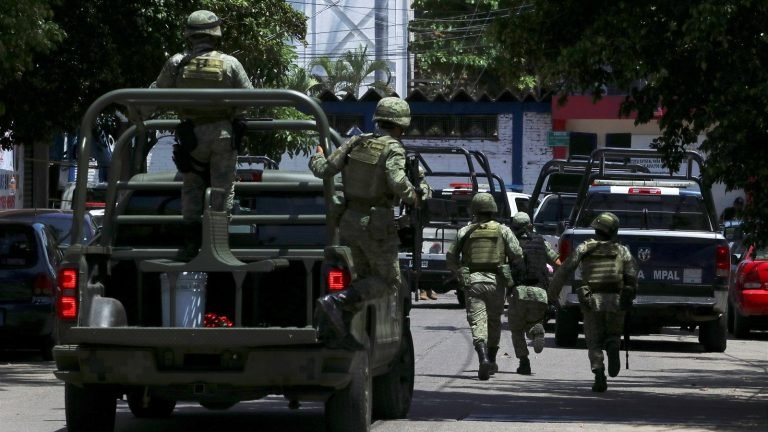
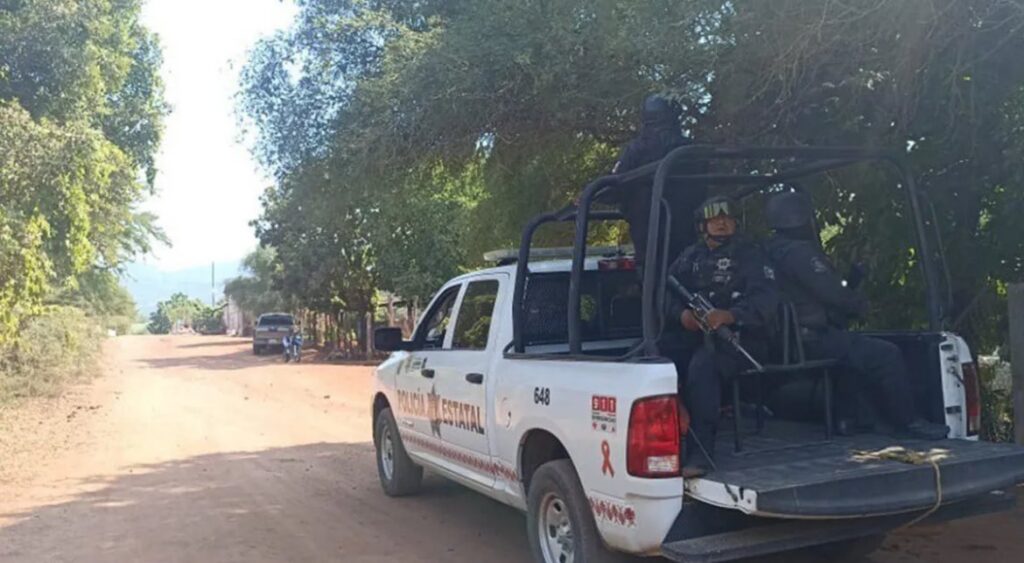
Amid fears that recent cartel violence could flare again following the assassination of cartel leader “El Mencho”, Plan Kukulkán deployed 100,000 personnel, including 20,000 armed forces and 55,000 public security agents, with additional support from civilian and private security teams.
“There is no risk for fans,” said Sheinbaum in late February.
In addition to armed forces’ deployment, technological support includes 24 tactical aircraft for rapid response and 33 drones for aerial monitoring of stadiums, fan zones, and transport hubs.
FIFA is also expected to conduct further reviews of Mexico’s security and mobility plans in the run-up to the event.
Featured image: Estadio Azteca in Mexico City.
Image credit: Alejan98 via Wikimedia Commons.